Overview
Japan Travel Guide: Plan Your First Trip to Japan
Where to go, how many days you need, the best seasons, and the five things to sort out before you fly. Start here if this is your first trip to Japan.
✓ 9 facts checked against official sources on November 17, 2026Next check: around May 2027
Contents
Itineraries1 page
Seasons & cherry blossoms2 pages
Entry & customs4 pages
Money & payments4 pages
Trains & getting around10 pages
- How toSuica, PASMO and ICOCA: How to Use IC Cards in Japan
- How toJapan Rail Pass: Is It Worth It? Prices and How to Use It
- How toHow to Ride the Shinkansen: Tickets, Seats and Luggage Rules
- How toRegional Rail Passes: JR East, JR West, Kyushu and More
- How toTaxis and Ride-Hailing in Japan: Fares, How to Hail and Apps
- How toLuggage in Japan: Coin Lockers, Storage and Sending Bags Ahead
- How toNarita Airport to Tokyo: Train, Bus or Taxi
- How toHaneda Airport to Tokyo: Train, Monorail, Bus or Taxi
- How toKansai Airport to Osaka and Kyoto
- How toSeishun 18 Kippu: Winter 2026–27 Guide to Japan's Slow-Train Rail Ticket
Etiquette & daily life7 pages
- How toJapanese Etiquette for Visitors: The Rules That Matter Most
- How toJapanese Toilets: How to Use the Buttons
- How toElectricity and Water in Japan: Plugs, Voltage and Tap Water
- How toChopsticks and Eating Manners in Japan: How to Hold Them and What Not to Do
- How toGreetings and Bowing in Japan: A Simple Nod, and the Few Words That Help Most
- How toNoise and Night Manners in Japan: Hotels, Guesthouses, Vacation Rentals and Quiet Streets
- How toPhoto Manners in Japan: Gion and Geisha, Private Property, Shrines and Drones
Onsen, temples & shrines5 pages
- How toOnsen Etiquette: How to Bathe at a Hot Spring, and Tattoos
- How toVisiting Temples and Shrines: How to Pray and What to Know
- How toTattoos and Onsen in Japan: Where You Can Bathe, Cover Stickers and Tattoo-Friendly Baths
- How toPrivate Baths in Japan (Kashikiri-buro): Bathing Together as a Couple or Family
- How toGoshuin: Temple and Shrine Stamps, How to Ask, Prices and Manners
Shopping & souvenirs4 pages
- How toAirport Souvenir Shopping in Japan: What You Can Still Buy After Security at Narita, Haneda and Kansai
- How toSouvenirs by Region: The Classic Sweet from Hokkaido, Tokyo, Kyoto, Hiroshima, Fukuoka and Okinawa, and Where to Buy It
- How toDaiso in Japan: Travel Essentials and Small Souvenirs From ¥110, and Big Stores in Tokyo, Osaka and Kyoto
- How toRamen to Take Home: Ichiran, IPPUDO and AFURI's Own Boxed Ramen, What Is Inside, Prices and Where to Buy
Japanese phrases1 page
About Japan Travel Guide
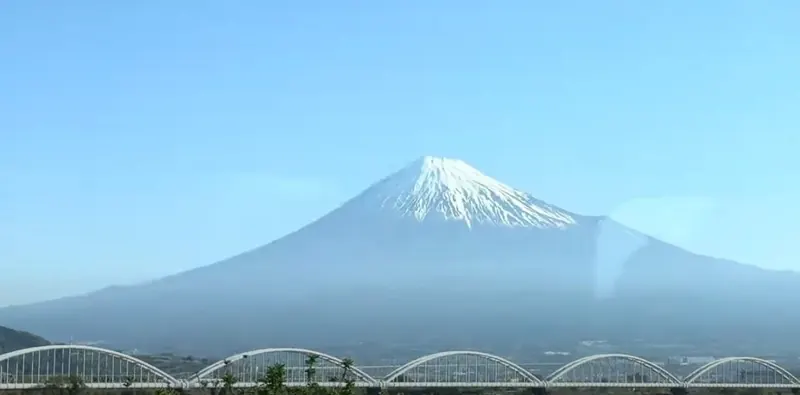
Japan at a glance
- How many days
- About 7 days covers Tokyo, Kyoto and Osaka at a relaxed pace (this guide's estimate). Add 3–4 days for Hokkaido or Okinawa.
- Best seasons
- Spring (March–May) and autumn (September–November). Summer is hot and humid, with a rainy season and typhoons.
- Entry
- You need a valid passport. Some nationalities need no visa for short tourist stays. See Japan Entry Requirements.
- Money
- Carry some cash. JNTO calls Japan "very much a cash-based society".
- Getting around
- Trains. Use an IC card (a rechargeable train card such as Suica) in cities and the Shinkansen (bullet train) between them.
- Main airports
- Tokyo (Narita and Haneda), Osaka (Kansai), Fukuoka and Naha (Okinawa).
Japan is a long chain of islands. It stretches from Hokkaido in the cold north to the subtropical islands of Okinawa in the south. Most first-time visitors spend their trip on the main island, Honshu, moving between Tokyo, Kyoto and Osaka by train.
Trains are the easiest way to travel. City trains and subways cover almost everywhere you will want to go, and the Shinkansen (bullet train) links the big cities. You will rarely need a car.
This guide is written for people visiting Japan for the first time. Each page answers one practical question: do I need a visa, which train card to buy, how much cash to carry, what to do at a temple or a hot spring. Prices and rules come from official sources such as the Japan National Tourism Organization (JNTO), Japan Customs and the railway companies.
If you are just starting to plan, read this page, then Japan Entry Requirements and the Japan Trip Checklist. For a ready-made route, see Japan in 7 Days. The full list of pages is below.
Which cities to visit
On a first trip of about a week, Tokyo plus Kyoto and Osaka is the most common choice. Hokkaido and Okinawa are far from these cities, so plan extra days for them.
- Tokyo: the capital and largest city. Modern shopping districts, old temples and huge train stations. Most flights land at Narita or Haneda Airport. See Narita Airport to Tokyo and Haneda Airport to Tokyo.
- Kyoto: the old capital, known for its temples, shrines and traditional streets. Good for visitors who like history. Read Visiting Temples and Shrines before you go.
- Osaka: a large city near Kyoto, known for street food and nightlife. Kansai Airport serves both Osaka and Kyoto. See Kansai Airport to Osaka and Kyoto.
- Hokkaido: the northern island. In winter it is covered in deep powder snow, so it suits skiers and winter trips. Most visitors fly there.
- Okinawa: subtropical islands in the far south, with beaches and its own culture. Flights land at Naha.
When to go
Japanese holidays make trains and hotels busy, especially Golden Week (spring), Obon (summer) and New Year. See Japan Public Holidays and Japan Weather by Month.
- Spring (March–May): mild weather and cherry blossoms. JNTO describes spring as a comfortable time to explore cities and the countryside. See Cherry Blossom Season.
- Autumn (September–November): cooler days and autumn leaves. See Autumn Leaves in Japan.
- Summer (June–August): hot and humid. JNTO says the rainy season begins in May to June, and that August and September may bring typhoons.
- Winter (December–February): cold, with snow in the north. Good for skiing in Hokkaido.
5 things to prepare before you fly
- Check your entry rules and register on Visit Japan Web. Visit Japan Web is an online service from Japan's Digital Agency where you enter your arrival details before the flight. Japan Customs recommends making your customs declaration with it. See Visit Japan Web.
- Plan for an IC card. An IC card (a rechargeable card such as Suica or PASMO) lets you tap in and out of trains and buses, and pay in many shops. Most IC cards need a ¥500 deposit, but cards for international visitors such as Welcome Suica and TOURIST PASMO need no deposit. See Suica, PASMO and ICOCA.
- Get mobile data. Choose an eSIM, a SIM card or a pocket Wi-Fi (a small rented router). You need data for maps and train times. See Japan eSIM, SIM Card or Pocket Wi-Fi.
- Bring a card and some cash. Cards are widely accepted in cities, but small restaurants, temples and rural shops may take cash only. See Money in Japan.
- Decide on a rail pass, or not. The Japan Rail Pass covers JR trains for a set number of days. JNTO notes it "may not be the most economical choice for all travelers". Compare it with single tickets for your route. See Japan Rail Pass: Is It Worth It?.
How to use this guide
- Before the trip: entry rules, seasons, costs, money, phones and rail passes.
- On the trip: trains, taxis, luggage, etiquette, onsen (hot spring) manners, toilets and safety.
- If something goes wrong: illness, earthquakes and typhoons, a lost passport.
- Phrases: each page with a phrase table shows English, Japanese and romaji (Japanese written in the Latin alphabet), so you can point at the Japanese or read it aloud. More in Japanese Phrases for Travelers.
Point-and-show Japanese
| English | Japanese | Romaji |
|---|---|---|
| Hello | こんにちは | Konnichiwa |
| Thank you | ありがとうございます | Arigatō gozaimasu |
| Excuse me | すみません | Sumimasen |
| Where is the station? | 駅はどこですか | Eki wa doko desu ka |
| Can I pay by card? | カードで払えますか | Kādo de haraemasu ka |
Before you go
- Pack light or plan to send your bags ahead. Big stations have many stairs and crowded platforms. See Luggage in Japan.
- Book hotels early for cherry blossom season, autumn leaves in Kyoto, and Japanese holidays.
- Tipping is not part of Japanese culture. See Tipping in Japan.