How to
What to Pack for Japan: Season by Season
The essentials (plug adapter, coin purse, small towel, slip-on shoes) plus what to add for spring, summer, autumn and winter.
✓ 8 facts checked against official sources on November 18, 2026Next check: around May 2027
At a glance
- Power
- 100 volts everywhere. 50 Hz in eastern Japan, 60 Hz in western Japan. Two-pin flat plugs: bring an adapter if your plug is different
- Money
- A coin purse: Japan uses many coins, and cash is still common
- Shoes
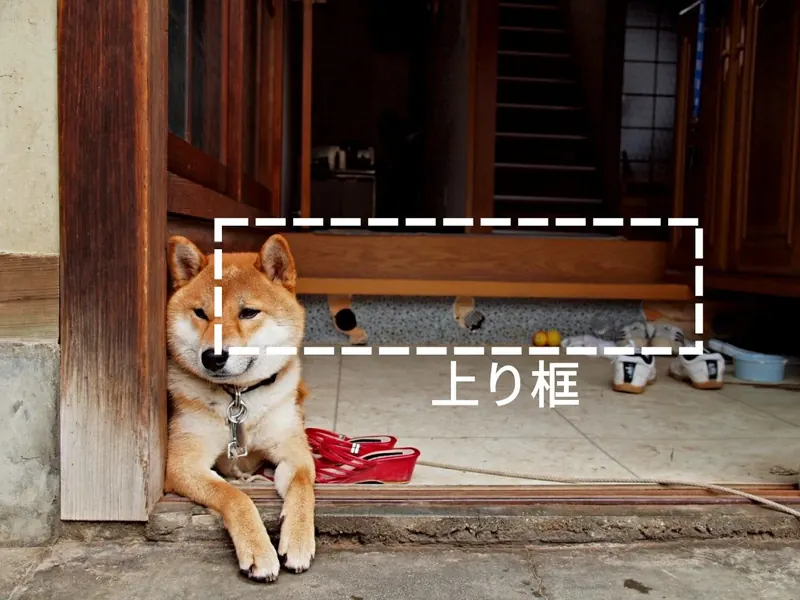
- Comfortable walking shoes that slip on and off easily: you take shoes off in homes, ryokan, some temples and restaurants
- Small towel
- Useful for drying hands (some public toilets have no paper towels) and for hot summer days
- Luggage
- Bags over 160 cm in total size need a reserved space on the Tokaido, Sanyo and Kyushu Shinkansen; over 250 cm cannot be taken on board
- Seasons
- Light jacket for spring and autumn evenings; light, breathable clothes for hot, humid summers; warm coat for winter
You can buy almost anything in Japan, from umbrellas to underwear, at convenience stores and drugstores. So pack light, and bring only what is hard to replace or that you need on the first day.
A few items are especially useful in Japan: a plug adapter for its two-pin sockets, a coin purse for its many coins, a small hand towel, and shoes you can take off quickly. Then add clothes for the season.
Essentials for any season
- ☐ Passport (and visa if you need one). See Japan entry requirements.
- ☐ Phone, charger and power bank (power banks go in hand luggage).
- ☐ Plug adapter: Japan's sockets take two flat parallel pins. Check that your chargers say 100–240V; most phone and laptop chargers do. See Electricity and water in Japan.
- ☐ Some yen in cash and at least two bank cards. See Money in Japan.
- ☐ Coin purse: you will collect many ¥1, ¥5, ¥10, ¥50, ¥100 and ¥500 coins.
- ☐ Small hand towel or handkerchief.
- ☐ Comfortable walking shoes that slip on and off, and socks without holes (you may be in your socks at temples and restaurants).
- ☐ Medicines you take regularly, in their original packs, with a copy of the prescription. Check limits in What you can bring into Japan.
- ☐ A small bag for rubbish: public bins are rare in Japan, so you often carry rubbish until you find one.
- ☐ Travel insurance details and emergency numbers. See Japan trip checklist.
Season by season
| Season | Weather in Tokyo, Kyoto, Osaka | Add to your bag |
|---|---|---|
| Spring (March–May) | Mild days, cool evenings; pollen season | Light jacket or sweater, scarf, allergy medicine if you have hay fever |
| Summer (June–August) | June–July rainy season; hot and very humid from July | Light, breathable clothes, hat, sunscreen, folding umbrella, refillable water bottle |
| Early autumn (September) | Still hot; typhoons possible | Same as summer, plus a rain jacket |
| Autumn (October–November) | Clear and comfortable; cold mornings in late November | Layers, light coat for evenings |
| Winter (December–February) | Cold and dry in the cities; heavy snow in Hokkaido and the Japan Sea side | Warm coat, gloves, hat, lip balm and hand cream; snow boots for Hokkaido |
Monthly temperatures are on Japan weather by month. Indoors, trains and shops are well heated in winter and strongly air-conditioned in summer, so layers work better than one thick item.
Useful extras
- ☐ Slippers or thick socks for ryokan (traditional inns provide slippers, but some travelers prefer their own socks).
- ☐ A foldable shopping bag: most shops charge for plastic bags.
- ☐ Earplugs and an eye mask for capsule hotels or night buses.
- ☐ A lightweight daypack for walking days, leaving the suitcase at the hotel or in a locker.
- ☐ A swimsuit is not needed for onsen (hot springs): you bathe without clothes. See Onsen etiquette.
Things to know
- Hair dryers and straighteners made for 220–240V may not work well on 100V, and some can be damaged. Hotels usually have hair dryers; use theirs.
- On the Tokaido, Sanyo and Kyushu Shinkansen, bags with total dimensions (height + width + depth) between 160 cm and 250 cm need a reserved "seat with an oversized baggage area". Without one you pay a ¥1,000 fee. Bags over 250 cm cannot be taken on board. A large suitcase of about 75–80 cm in height usually goes over 160 cm (estimate). See Luggage in Japan.
- If you plan to move between cities with a big suitcase, consider sending it ahead with a luggage delivery service, which JNTO calls "hands-free" travel.
- Meat products, fresh fruit and plants cannot be brought into Japan in most cases, even as gifts. See What you can bring into Japan.
Point-and-show Japanese
| English | Japanese | Romaji |
|---|---|---|
| Where can I buy a plug adapter? | 変換プラグはどこで買えますか? | Henkan puragu wa doko de kaemasu ka? |
| Should I take off my shoes? | 靴を脱いだほうがいいですか? | Kutsu o nuida hō ga ii desu ka? |
| Can I leave my luggage here? | 荷物を預けられますか? | Nimotsu o azukeraremasu ka? |
Before you go
- Leave space in your suitcase: snacks, cosmetics and stationery from Japan take up more room than you expect.
- Conversion plugs and transformers are easy to find in Japanese cities, at electronics stores and some convenience stores, if you forget yours.
- Slip-on shoes save a lot of time at temples, ryokan and restaurants with tatami floors.