How to
Is Japan Safe? Crime, Scams and Night-Out Tips
Yes: JNTO calls Japan very safe, with a low crime rate. The main risk for visitors is a night out that goes wrong, with street touts leading people to bars that overcharge or misuse credit cards. Here is how to avoid it, and who to call.
✓ 16 facts checked against official sources on November 18, 2026Next check: around May 2027
At a glance
- The short answer
- Japan is very safe and the crime rate is low, but do not follow street touts in nightlife districts, and keep your belongings close
- Police emergency
- 110 (English is available)
- Ambulance and fire
- 119
- Non-emergency police advice
- #9110; Tokyo police English line 03-3501-0110
- 24-hour help for visitors
- JNTO Japan Visitor Hotline 050-3816-2787 (English, Chinese, Korean)
- Lost something
- Go to the nearest koban (police box)
JNTO notes that Japan sits at the top of many general safety rankings. Visitors can relax, but JNTO still asks travelers to be aware of their surroundings and to know what to do if something happens.
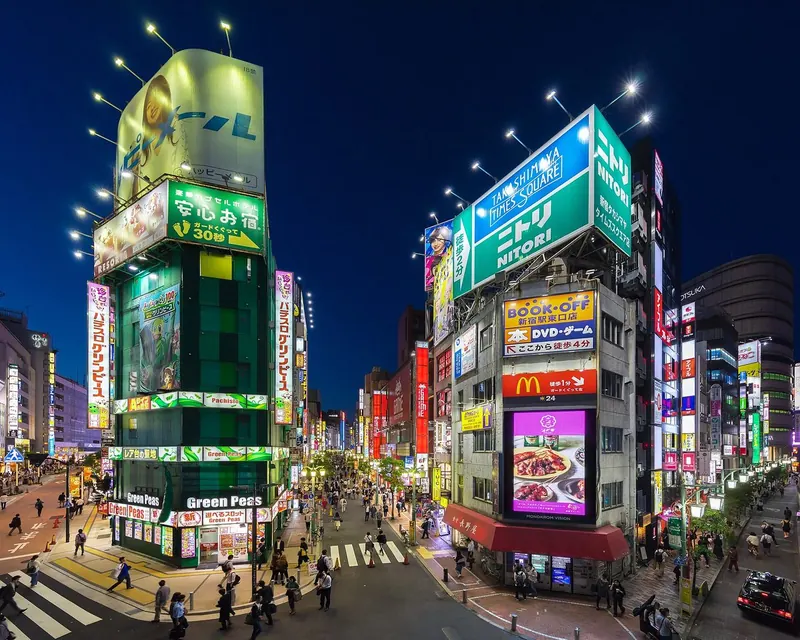
The main crime the Tokyo police warn visitors about is the nightlife scam. Touts on the street invite you into a bar, the drinks are strong, and the bill or the credit card charge is huge. Saying no to touts avoids almost all of it.
This page uses information from the Japan National Tourism Organization (JNTO) and the Tokyo Metropolitan Police Department.
Overview: how safe is Japan?
- Crime: JNTO describes Japan as very safe, with a quite low crime rate. Petty crime against visitors is unlikely.
- Koban: small police boxes stand in neighbourhoods all over Japan. If you need help, lose something or are lost, go to the nearest one. If you do not know where it is, ask a shop or your hotel.
- Natural disasters are a bigger risk than crime. See Earthquakes and Typhoons in Japan.
Nightlife scams: touts and rip-off bars
The police warnings are about one situation: being led into a bar by someone you just met. Whether you go out as a couple, with friends or alone, pick the place yourself, check the price list before you order, and keep an eye on your drink and your belongings.
- What happens: a tout (often a foreigner, or a woman approaching men) invites you to a bar. You drink strong alcohol, and then you are charged a huge bill, or your credit card is used for large purchases.
- Spiked drinks: the Tokyo police report bars that got customers drunk with spiked drinks, took them to an ATM and made them withdraw money to pay.
- Dating apps and social media: some scams start with a contact on a dating site or SNS who suggests a bar.
- Where: the Tokyo police name nightlife areas such as Shinjuku Kabukicho, Kinshicho, Shimbashi, Shibuya, Ikebukuro, Ueno and Yushima, and Tachikawa in their warnings.
- The rule: do not follow street touts, under any circumstances. Choose bars yourself.
If something happens: step by step
- If you are in danger or a crime is happening, call 110 (police). English is available.
- If someone is hurt or sick, call 119 (ambulance and fire).
- For advice that is not urgent, call #9110, or in Tokyo the English line 03-3501-0110.
- If your card was misused, call your card company at once to stop the card.
- Ask the police for a report. You need it to claim insurance for theft or loss, and to get a new passport.
- If your passport was lost or stolen, contact your embassy. See Lost Passport or Wallet in Japan.
- For help in English, Chinese or Korean at any hour, call the JNTO Japan Visitor Hotline: 050-3816-2787.
Laws visitors break by mistake
Everyday manners (shoes, trains, lines, smoking) are on Japanese Etiquette for Visitors.
- Passport: visitors must always carry their passport and show it when the police ask.
- Drugs: marijuana, cocaine and stimulants are illegal in Japan. Drug dealers have been known to target overseas tourists, and you can be arrested for possessing even a small amount.
- Drones: flying drones is prohibited in most areas of Tokyo.
- Litter and suitcases: do not litter on the streets. Abandoning a suitcase can be a crime.
Before you go
- Make a couple of copies of your passport: carry one and leave one at home.
- Write down your embassy's address and phone number, and your card company's emergency number.
- Buy travel insurance with enough cover before you leave. See Getting Sick in Japan.
- Save the numbers 110, 119 and 050-3816-2787 in your phone.
Point-and-show Japanese
| English | Japanese | Romaji |
|---|---|---|
| Help! | 助けて! | Tasukete! |
| Please call the police. | 警察を呼んでください。 | Keisatsu o yonde kudasai. |
| Where is the police box? | 交番はどこですか? | Kōban wa doko desu ka? |
| I lost my wallet. | 財布をなくしました。 | Saifu o nakushimashita. |
| My bag was stolen. | かばんを盗まれました。 | Kaban o nusumaremashita. |
| No, thank you. | 結構です。 | Kekkō desu. |
| Can I see the price list? | 料金表を見せてください。 | Ryōkin-hyō o misete kudasai. |
Before you go
- Say 'Kekkō desu' (no, thank you) and keep walking when a tout approaches.
- Keep your belongings close to you in crowds and on night trains.
- Save 110, 119 and the JNTO hotline 050-3816-2787 in your phone before you arrive.
- If you lose something, ask at the nearest koban. JNTO also lists a police Lost & Found number: 0570-550-142.
Sources (official)
- JNTO: Staying Safe in Japan
- JNTO: Japan Visitor Hotline
- Tokyo Metropolitan Police Department: For Visitors to Tokyo
- Tokyo Metropolitan Police Department: Crimes against foreigners in entertainment and nightlife districts
- Tokyo Metropolitan Police Department: Crime prevention tips in entertainment and nightlife districts