How to
Paying in Japan: Credit Cards, IC Cards, QR Payments and When You Still Need Cash
Most hotels, chain shops, stations and taxis in Japan take international credit cards. Bring cash too for small eateries, temple and shrine offerings and some local buses. An IC card covers most small payments.
✓ 12 facts checked against official sources on November 19, 2026Next check: around May 2027
At a glance
- Credit cards
- International cards are generally accepted. Ask if you see no card logos
- IC cards (Suica, PASMO)
- Pay for trains, buses, convenience stores and vending machines. Visitor versions need no deposit
- Contactless cards on trains
- Some lines take a tap of your own card at the gate, for example Osaka Metro
- Cash still needed
- Small eateries and shops, short train rides, temple and shrine offerings, some rural buses and ryokan
- ATMs for foreign cards
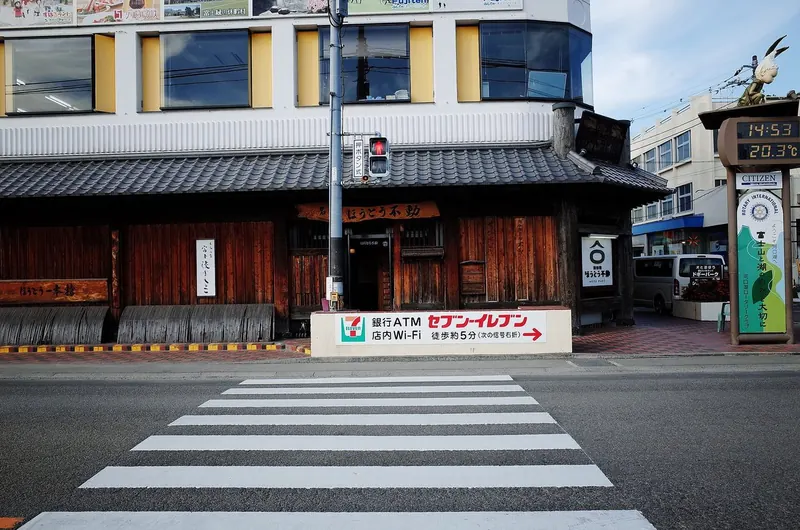
- Seven Bank (in 7-Eleven stores) and Japan Post Bank (in post offices)
- How much cash
- About ¥10,000–¥20,000 per person on hand, refilled at ATMs (estimate)
Japan now takes cards in most places a visitor goes: hotels, department stores, chain restaurants, convenience stores, long-distance train tickets and most taxis. The Japan National Tourism Organization (JNTO) still calls Japan "very much a cash-based society" and advises you to keep some cash on you.
The easiest way to pay is a mix of three things. Use a credit card for big payments, an IC card (a rechargeable card such as Suica or PASMO) for trains and small items, and a little cash for the places that take nothing else.
This page explains each one and lists where you will still need cash. For exchange rates, ATMs and how much money to bring, see Money in Japan.
Credit and debit cards
- Cards of international brands (Visa, Mastercard, American Express, JCB and others) are generally accepted across Japan.
- Some shops do not show the logos of the cards they take. Ask before you order or queue: "Kādo de haraemasu ka?" (Can I pay by card?).
- You can pay for the Narita Express and shinkansen (bullet train) tickets by card. For short local train and subway rides, cards often cannot be used at ticket machines, so use an IC card or cash.
- If a card machine asks whether to pay in yen or in your home currency, choose yen. Your own bank then sets the rate (check its fees before you travel).
IC cards: Suica, PASMO, ICOCA
How to buy, top up and use them, including on an iPhone, is on Suica, PASMO and ICOCA.
- An IC card is a prepaid card you top up with cash at stations. You tap it on the gate when you enter and leave.
- It also works at many convenience stores and vending machines, some taxis and other services.
- Most IC cards need a ¥500 deposit. The cards for visitors, Welcome Suica and TOURIST PASMO, have no deposit.
- TOURIST PASMO is valid for 28 days from the date of purchase. Money left on it is not refunded, so top up in small amounts near the end of your trip.
- Not every train and bus in Japan accepts IC cards, especially in the countryside. Carry coins and ¥1,000 notes as a backup.
Tapping your own card on trains
- Some railways let you tap a contactless credit, debit or prepaid card (or a phone with the card set up) on the gate, with no ticket.
- Osaka Metro (subway and New Tram) accepts Visa, Mastercard, JCB, American Express, Diners Club, Discover and UnionPay this way. No advance registration is needed.
- Since November 1, 2025, touch payment also works on Osaka City Bus (some routes excluded) and the Imazato Liner.
- You pay the adult regular fare. Children are also charged the adult fare, so families should use IC cards for children.
- Use only gates that show the contactless mark. Many lines in Tokyo still need an IC card or a ticket.
QR code payments
- Many shops show QR code payment signs (PayPay and other apps). These apps are mainly used by people living in Japan.
- Some payment apps from other countries also work at shops in Japan. Your own app will say whether it works in Japan. Check before you leave home.
- For a short trip you do not need a QR app. A card, an IC card and a little cash cover almost every payment.
When you still need cash
Keep ¥100 coins and a few ¥1,000 notes in your wallet every day. Bus fare machines and coin lockers often do not take ¥10,000 notes (estimate).
- Small family-run restaurants, ramen shops with ticket machines that only take cash, market stalls and festival food stands.
- Temples and shrines: the offering box (saisen-bako) takes coins. Many temples also take only cash for admission, goshuin (temple stamps) and amulets. See Visiting Temples and Shrines and Goshuin.
- Short train and subway rides if you have no IC card, because ticket machines often do not take cards.
- Local buses and trains in the countryside that do not accept IC cards. Have coins ready for the fare box.
- Small ryokan (traditional inns) and guesthouses in rural areas. Check the payment methods when you book.
- Some coin lockers and older vending machines.
Getting cash: ATMs
Seven Bank ATMs work 365 days a year, and Visa and Mastercard can be used at any hour. Fees depend on your card brand and your own bank.
- Find a 7-Eleven (Seven Bank ATM) or a post office (Japan Post Bank ATM). Both take cards issued abroad.
- Insert your card and choose English on the screen.
- Choose "Withdrawal" and enter your PIN.
- Enter the amount in yen. At Seven Bank, the limit for each withdrawal with a card issued abroad is ¥100,000.
- Take your cash, card and receipt.
Things to watch out for
- Tell your bank or card company before you travel, so payments in Japan are not blocked as unusual.
- Bring two cards of different brands (for example Visa and Mastercard). If one is declined, you can use the other.
- Know your card PIN. Some terminals ask for it even for small payments.
- For tax-free shopping, you show your passport at the shop. See Tax-Free Shopping in Japan.
- Tipping is not expected, so you do not need small notes for tips. See Tipping in Japan.
Point-and-show Japanese
| English | Japanese | Romaji |
|---|---|---|
| Can I pay by card? | カードで払えますか? | Kādo de haraemasu ka? |
| Is it cash only? | 現金だけですか? | Genkin dake desu ka? |
| In yen, please. | 円でお願いします。 | En de onegaishimasu. |
| Can I use this IC card? | このICカードは使えますか? | Kono ai-shī kādo wa tsukaemasu ka? |
| Please top up 3,000 yen. | 3000円チャージしてください。 | Sanzen-en chāji shite kudasai. |
| Where is an ATM? | ATMはどこですか? | Ē-tī-emu wa doko desu ka? |
| A receipt, please. | レシートをください。 | Reshīto o kudasai. |
Before you go
- Keep coins in a small separate purse. Japan uses many coins (¥1 to ¥500), and you will use them often.
- Taxis take cards in most cities, but check before you get in, especially in rural areas. See Taxis in Japan.
- Top up your IC card at a station or convenience store before you go to a rural area, so you do not run short on a bus with no top-up machine.