
Temple
Tokyo Daijingu Shrine: A Shrine Known for Love and Matchmaking
東京大神宮Tokyo Daijingu
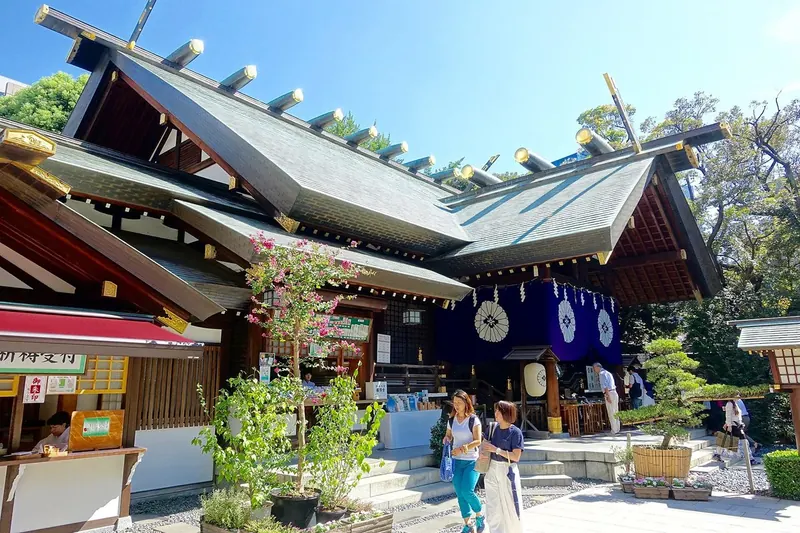
The "Ise Shrine of Tokyo" enshrines the deities of Ise Jingu and is known for connections and good matches. About 5 minutes on foot from Iidabashi Station. Open 6:00–21:00.
✓ 25 facts checked against official sources on November 23, 2026Next check: around May 2027
At a glance
- Time needed
- Allow about 30–60 minutes (estimate)
- Admission
- The official site does not list a fee for visiting. Please check with the shrine
- Opening hours
- Prayer visits 6:00–21:00; amulet office 8:00–19:00; goshuin (shrine stamp) 9:00–17:00
- Closed
- Not stated on the official site. Changes for festivals are announced on the site
- Nearest station
- Iidabashi Station, about 5 minutes on foot from each line (Tokyo Metro exits B2a and A4)
- Omamori (amulets)
- Musubi-mamori ¥700, Engi-musubi Suzuran-mamori ¥800
Tokyo Daijingu is a shrine in Chiyoda Ward, founded in Meiji 13 (1880) as a place in Tokyo to pray toward Ise Jingu, the great shrine in Mie Prefecture.
It enshrines Amaterasu-sume-omikami of the Inner Shrine of Ise and Toyouke-omikami of the Outer Shrine, together with the three creator deities (Zoka no Sanshin) and Yamatohime-no-mikoto. The official site introduces it as a shrine known for bringing good connections and matches (en-musubi).
Shinto weddings, which are common in Japan today, are closely tied to this shrine. If you hope for a good match, you can pray and then look through the many kinds of omamori (charms) and fortune slips.
What to See
- Temizuya (water pavilion): Here you rinse your hands and mouth before praying, to purify yourself. The official site shows the steps with pictures, so first-time visitors to a shrine can simply follow them.
- Main hall: It enshrines Amaterasu-sume-omikami, Toyouke-omikami, the three creator deities and others. You pray here with two bows, two claps and one bow, and tell the deities your wish. Anyone hoping for a love match or any other kind of connection will want to stop here.
- Iito Inari Shrine: It stands east of the shinmon (sacred gate) and was moved to its present spot in 1987 (Showa 62). It is a short walk after the main hall, so do not miss it if you want to see the whole precinct.
- Omamori at the amulet office: Musubi-mamori is ¥700, Engi-musubi Suzuran-mamori is ¥800 and Koi-jojuu-mamori (for love to come true) is ¥1,200. There are many designs to choose from, so you can take your time, and they also suit people who want a blessing to give a friend. The office is open 8:00–19:00.
- Fortune slips and ema (wooden wish plaques): There are Engi-musubi omikuji (¥300) and Koi-mikuji (with a small lover doll, ¥200), among others. Draw one to see your love luck, then write your wish on an Engi-musubi ema (¥700). It is especially fun when you visit with friends.
- Goshuin: The stamp office (shuin-sho) takes requests 9:00–17:00, a shorter time than the prayer hours. If you are collecting goshuin, plan your visit for daytime.
History
The shrine was founded in Hibiya in Meiji 13 (1880), so it was first called Hibiya Daijingu. After the Great Kanto Earthquake it moved to its present site in Showa 3 and was renamed Iidabashi Daijingu. After the war it took the name Tokyo Daijingu.
The official site explains that the history of Shinto weddings began with the wedding of the then Crown Prince (later Emperor Taisho) in Meiji 33. Tokyo Daijingu then started Shinto weddings for the general public and worked to spread them. Natsume Soseki's novel Kojin also describes a wedding at Hibiya Daijingu.
Getting There
- The nearest station is Iidabashi Station, about 5 minutes on foot from each line.
- Tokyo Metro Yurakucho Line and Namboku Line: exit B2a.
- Tokyo Metro Tozai Line and Toei Oedo Line: exit A4.
- The JR Chuo-Sobu Line also stops at Iidabashi Station.
- The shrine has no parking lot of its own, so please come by train.
Tips for Visiting
- You can pray in the evening, but the amulet office closes at 19:00 and the stamp office at 17:00. If you want an omamori or a goshuin, come earlier.
- Hours may change during festivals. The shrine announces this beforehand on its website and social media. The only official account is @tokyodaijingu, and the website warns about fake accounts.
- Items received from the shrine cannot be returned or exchanged.
- The annual festival (reisai) on April 17 marks the founding of the shrine.
Point-and-show Japanese
| English | Japanese | Romaji |
|---|---|---|
| Please give me this omamori | このお守りをください | Kono omamori o kudasai |
| Where do you accept goshuin requests? | 御朱印はどこで受け付けていますか? | Goshuin wa doko de uketsukete imasu ka? |
Basics (hours, prices, access)
Tokyo Daijingu 東京大神宮
The "Ise Shrine of Tokyo," known for good matches
It enshrines the deities of Ise Jingu and helped spread Shinto weddings. There is a wide choice of omamori, fortune slips and ema for good connections.
- Opening hours
- Prayer visits 6:00–21:00; amulet office 8:00–19:00; stamp office 9:00–17:00; prayer requests 9:00–16:30
- Closed
- Not stated on the official site
- Admission
- The official site does not list a fee for visiting. Please check with the shrine
- Access
- About 5 minutes on foot from Iidabashi Station on each line (Tokyo Metro exits B2a and A4)
- Phone
- 03-3262-3566
Before you go
- If you want an omamori or a goshuin, arrive before 17:00.
- For how to pray at a shrine, see the shrine's official page or our guide to visiting temples and shrines.
- There is no parking lot of its own, so the train is the easiest way.
Sources (official)
- Tokyo Daijingu official site (Japanese)
- Tokyo Daijingu: About the shrine (Japanese)
- Tokyo Daijingu: Access (Japanese)
- Tokyo Daijingu: Ofuda and omamori (Japanese)
- Tokyo Daijingu: How to pray (Japanese)
- Tokyo Daijingu: Monthly festivals and events (Japanese)
- Tokyo Daijingu: Shinto weddings (Japanese)
- GO TOKYO: Tokyo Daijingu (Chinese)