
How to
First Time in Tokyo: 10 Things to Get Right
Get an IC card, avoid the morning and evening rush, don't talk on the phone on trains, carry some cash and take your trash with you. Remember these 10 things and your first independent trip to Tokyo will go smoothly.
✓ 14 facts checked against official sources on November 21, 2026Next check: around May 2027
At a glance
- Transport
- Use an IC card (such as Suica). Welcome Suica needs no deposit and is valid for 28 days
- Train manners
- Avoid phone calls on trains; take care near priority seats
- Rush hour
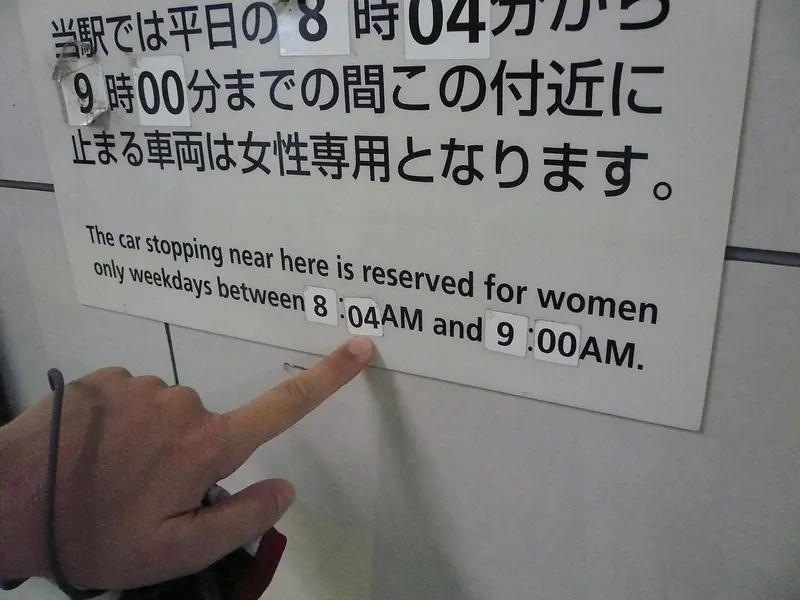
- Trains are very crowded in the morning and evening commute. There are women-only cars
- Paying
- Tokyo is still mostly a cash city. There is no tipping culture
- Smoking
- Indoors, smoking is in principle banned; most roads and parks also have restrictions
- Emergencies
- Police: 110. English police consultation line: 03-3501-0110
Tokyo's trains run on time, the streets are clean and it is safe, so even a first-time visitor can travel independently with ease. But a few habits differ from other places, and if you don't know them it is easy to get flustered in stations or shops.
The 10 things below go in the order of transport, manners, money and emergencies. Each one gives only officially published rules, plus this guide's practical advice.
10 things to get right
- Get an IC card: transport IC cards such as Suica and PASMO work on trains and buses, and you can also pay with them at konbini (convenience stores). A regular Suica or PASMO has a ¥500 deposit; Welcome Suica, made for visitors, needs no deposit but is valid for only 28 days. See IC cards (Suica).
- Avoid the morning and evening rush: Tokyo's trains are extremely crowded at commuting times. If you carry large luggage or travel with older people or children, avoid the hours around 8 a.m. and the evening when people leave work (this guide's suggestion).
- Look for the women-only cars: JR and other railway companies often have women-only cars, and on many lines they are the first or last car during the morning and evening rush. The hours and positions depend on the railway company and line.
- If you ride a lot, buy a pass: the Tokyo Subway Ticket (valid on both Tokyo Metro and Toei Subway) for 24 hours is ¥1,000. See Tokyo Subway Ticket.
- No phone calls on trains: on public transport in Japan, please avoid talking on your phone. Messaging and browsing are fine, but set your phone to silent.
- Give up priority seats to those who need them: buses and trains have priority seats and spaces for wheelchairs and strollers, for older people, people with disabilities, people who are injured or ill, pregnant women and people with babies.
- Smoke only where allowed: indoors at restaurants, commercial facilities, accommodation and similar places in Tokyo, smoking is in principle banned, and most outdoor places such as roads and parks also have restrictions. Use a marked smoking area.
- Take your trash with you: there are few trash cans on Tokyo's streets (this guide's note). Carry a small plastic bag and throw trash away at your hotel, or in the bins at konbini and stations, sorting as labeled.
- Carry some cash; no tipping: Tokyo is still mostly a cash city, and some small shops and restaurants take only cash. There is no tipping in Japan, but some shops add a service charge. See Money in Japan. Tax-free shopping needs the same day, the same shop and a total of ¥5,000 or more before tax; see Tax-Free Shopping in Japan.
- Note the emergency numbers: to call the police, dial 110. The Tokyo Metropolitan Police Department also has an English consultation line, 03-3501-0110. If you are ill, hit by a disaster or need help, you can call the Japan National Tourism Organization (JNTO) hotline for foreign visitors, 050-3816-2787. For how to see a doctor when you are sick, see Getting Sick in Japan.
Also good to know
- At a sento (public bathhouse) or onsen (hot spring), swimsuits are generally not allowed in public baths unless stated otherwise. Don't bathe after drinking alcohol. See Onsen Etiquette.
- For manners that apply across Japan, see Japanese Etiquette for Visitors.
Point-and-show Japanese
| English | Japanese | Romaji |
|---|---|---|
| Can I use a credit card? | カードは使えますか | Kādo wa tsukaemasu ka |
| Can I throw my trash away here? | ここにゴミを捨ててもいいですか | Koko ni gomi o sutete mo ii desu ka |
| Where is the smoking area? | 喫煙所はどこですか | Kitsuenjo wa doko desu ka |
| Please call the police | 警察を呼んでください | Keisatsu o yonde kudasai |
Before you go
- The first thing to do in Tokyo: get your IC card ready at the airport or a station.
- Carry a small plastic bag for trash.
- Save your hotel's address in Japanese on your phone so you can show it to a taxi driver.