How to
Photo Manners in Japan: Gion and Geisha, Private Property, Shrines and Drones
Japan is one of the most photogenic places on earth, and most of it is fine to photograph. Here is where the lines are: people, private land, temple interiors and drones.
✓ 5 facts checked against official sources on November 2, 2026Next check: around May 2027
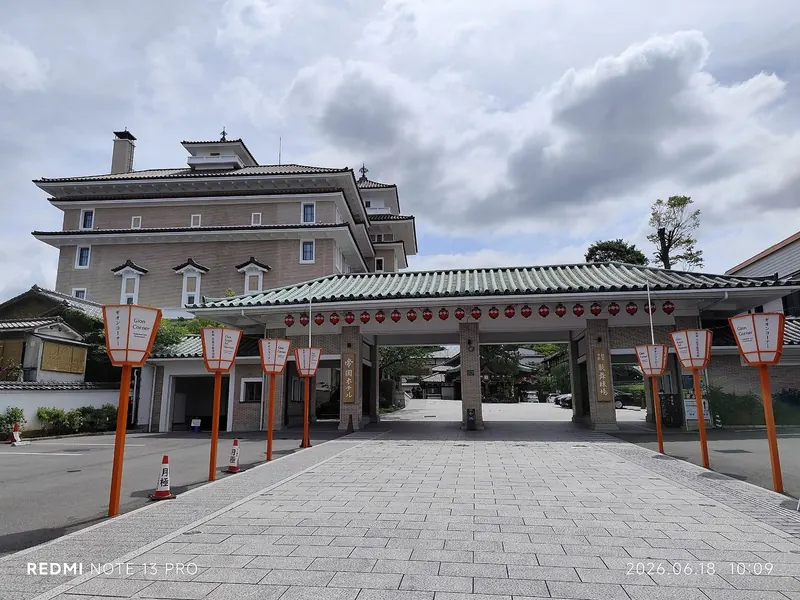
Most streets, parks, temples and city views in Japan are open to your camera. Problems start where a photo touches someone else's life: a geiko hurrying to an appointment, a shop doorway, a child on the way to school, or a drone over a crowd.
This guide covers the rules and requests that visitors most often run into, with links to the official pages.
Gion and geiko/maiko in Kyoto
- Kyoto's official tourism site asks visitors in the Gion-machi Minamigawa area and nearby not to follow geiko and maiko, not to photograph them without permission, not to take photos on private property such as in front of shops, and not to walk onto private land.
- The same notice says that photographing schoolchildren and nursery-school children without permission has made residents anxious. Do not photograph children you do not know.
- Watch for signs marking private roads and private property, and stay on public streets.
- If you want photos with a maiko, book an experience or a show where photos are part of the program.
Temples, shrines and museums
- Outdoor grounds are usually fine to photograph. Inside halls, many temples and shrines do not allow photos, especially of the main object of worship; look for a camera sign with a line through it.
- Do not photograph people while they pray, and do not block the path in front of the offering box for a picture.
- Museums and special exhibitions set their own rules; ask staff or check the signs at the entrance.
People, shops and private property
- Ask before taking a close-up photo of someone. A simple gesture to your camera and a smile is enough.
- Many restaurants and shops do not want photos of the inside or of other customers. Photos of your own food are usually fine, but ask in small, quiet places.
- Do not climb walls, fences or railway tracks for a shot, and do not stand in the road at popular viewpoints.
Drones
- Drones of 100 g or more (aircraft and battery together) must be registered under Japan's Civil Aeronautics Act before you fly them, even if you are a visitor and even if the drone is registered abroad.
- Registered drones must show their registration ID and have a remote ID function.
- Airspace around airports and Densely Inhabited Districts (DID) is restricted, so most city centers need permission. The MLIT online map shows where.
- Do not fly carelessly or recklessly, keep clear of aircraft and other drones, and never fly under the influence of alcohol or drugs. Breaking the rules can mean a fine or a prison sentence.
- Parks, temples, shrines and other sites can also set their own rules for their grounds. Ask the site before you fly.
Before you go
- When in doubt, ask. A short "Shashin, ii desu ka?" (May I take a photo?) goes a long way.
- Turn off the flash indoors and at night festivals; it bothers performers and other visitors.
- At crowded sights, check the signs for rules on selfie sticks and tripods before you set up.
- For drone questions, MLIT runs a help desk for unmanned aircraft: +81-3-5539-0225 (weekdays, 9:00–17:00).